Reading wheel markings
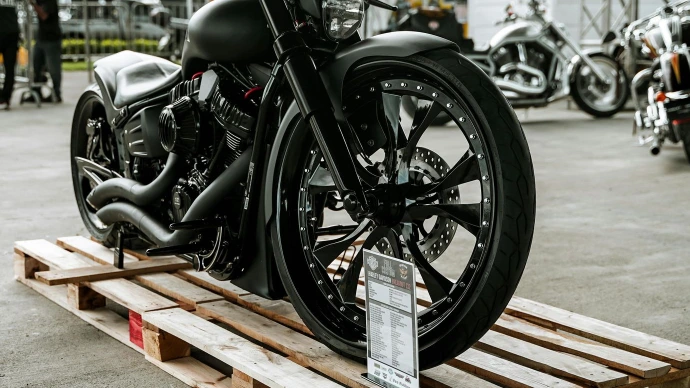
When building or customizing a motorcycle, you are dealing with two different sets of DNA: the markings stamped into the metal of your rim and the data molded into the sidewall of your tire. Understanding both is the only way to ensure your bike is safe and handles as it should.
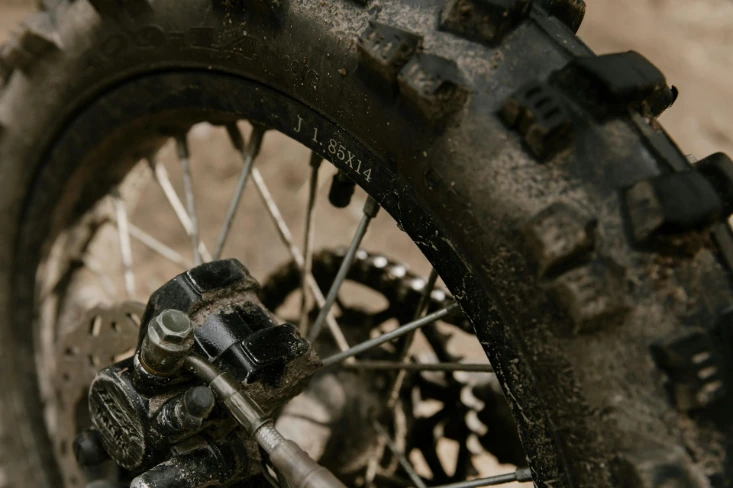
Rim Markings
The stamps on your rim (usually found on the lip or between the spokes) tell you the physical specifications of the wheel.
Example: MT 3.50 J x 17 DOT
MT: Short for Motorcycle Tyre profile. This is a critical safety feature. MT rims feature "safety humps" that keep a tubeless tire bead locked in place if you lose air pressure.
3.50: The width of the rim bed in inches.
J: This letter describes the shape of the rim flange. J is the universal standard for modern street motorcycles.
17: The diameter of the wheel in inches.
DOT: This confirms the rim meets international safety standards.
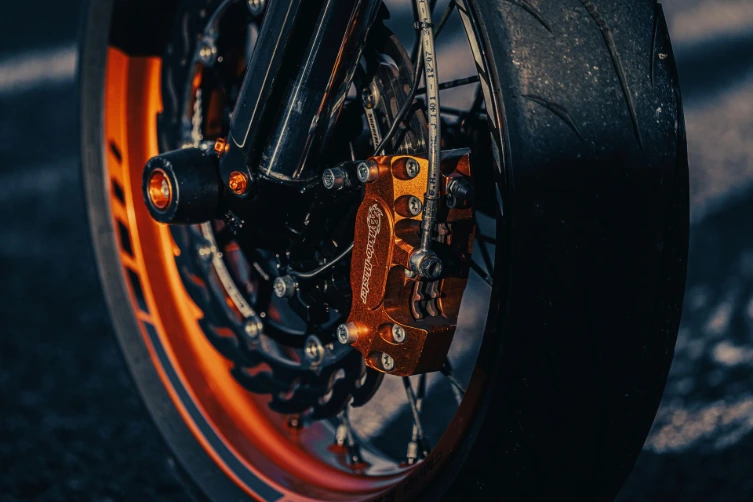
Tire Markings
The sidewall of your tire contains its "passport." It tells you exactly what size it is, how it was built, and how old it is.
Example: 180/55 ZR 17 (73W)
180 (Width): The nominal width of the tire in millimeters.
55 (Aspect Ratio): The height of the sidewall as a percentage of the width. In this case, the height is 55% of 180mm.
ZR or R (Construction): This indicates the internal build. R stands for Radial. If you see ZR, it is a high speed radial tire rated for speeds above 240 km/h. B stands for Bias-belted, often used on heavier cruisers for stability.
17 (Diameter): The diameter in inches. This must always match your rim size exactly.
DOT Code (Production Date): Look for a four digit number in an oval. 5325 means the tire was made in week 53 of 2025. We recommend replacing tires older than 5 to 6 years, as rubber hardens over time.
Rotation Arrow: Most tires are directional. Mounting a tire backwards negatively affects water displacement and handling.
TL / TT: TL stands for Tubeless. TT is Tube Type. You can use a tube in a TL tire if your rim requires it, but never run a TT tire without a tube.
73W: These are the Load and Speed ratings, found in the tables below.
Load Index Table
The load index is a numerical code indicating the maximum weight a tire can carry at its maximum inflation pressure.
| Index | Weight (kg) | Index | Weight (kg) | Index | Weight (kg) |
|---|---|---|---|---|---|
| 21 | 82.5 | 44 | 160 | 67 | 307 |
| 22 | 85 | 45 | 165 | 68 | 315 |
| 23 | 87.5 | 46 | 170 | 69 | 325 |
| 24 | 90 | 47 | 175 | 70 | 335 |
| 25 | 92.5 | 48 | 180 | 71 | 345 |
| 26 | 95 | 49 | 185 | 72 | 355 |
| 27 | 97.5 | 50 | 190 | 73 | 365 |
| 28 | 100 | 51 | 195 | 74 | 375 |
| 29 | 103 | 52 | 200 | 75 | 387 |
| 30 | 106 | 53 | 206 | 76 | 400 |
| 31 | 109 | 54 | 212 | 77 | 412 |
| 32 | 112 | 55 | 218 | 78 | 425 |
| 33 | 115 | 56 | 224 | 79 | 437 |
| 34 | 118 | 57 | 230 | 80 | 450 |
| 35 | 121 | 58 | 236 | 81 | 462 |
| 36 | 125 | 59 | 243 | 82 | 475 |
| 37 | 128 | 60 | 250 | 83 | 487 |
| 38 | 132 | 61 | 257 | 84 | 500 |
| 39 | 136 | 62 | 265 | 85 | 515 |
| 40 | 140 | 63 | 272 | 86 | 530 |
| 41 | 145 | 64 | 280 | 87 | 545 |
| 42 | 150 | 65 | 290 | 88 | 560 |
| 43 | 155 | 66 | 300 | 89 | 580 |
Speed Rating Table
This letter indicates the maximum speed the tire is certified for under its maximum load.
| Symbol | Max Speed (km/h) | Max Speed (mph) |
|---|---|---|
| J | 100 | 62 |
| K | 110 | 68 |
| L | 120 | 75 |
| M | 130 | 81 |
| N | 140 | 87 |
| P | 150 | 93 |
| Q | 160 | 99 |
| R | 170 | 106 |
| S | 180 | 112 |
| T | 190 | 118 |
| U | 200 | 124 |
| H | 210 | 130 |
| V | 240 | 149 |
| W | 270 | 168 |
| (W) | Above 270 | Above 168 |
Workshop Wisdom
When you are building, precision is everything. A tire might physically fit a rim, but if the load index is too low for your machine or the production date is ancient, it is a safety hazard. Always check the MT hump on your rim before going tubeless. No hump means you must use a tube, no matter what the tire says.

Don't miss our upcoming updates
Get all the latest news, blog posts and product updates from our company, delivered directly to your inbox.